Fridge Disposal in London
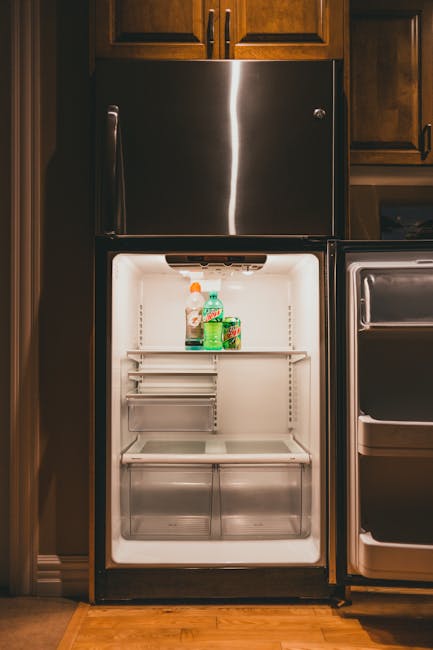
Fridge disposal in London needs more than lifting a heavy appliance away from the kitchen. It usually involves safe handling, checks for access, and removal that respects the equipment’s size, weight and condition. We provide a straightforward service for domestic and commercial customers who need a fridge, freezer or similar white good taken away and managed responsibly. The aim is to make the process clear, practical and simple to arrange.
Because refrigeration units can contain materials that should not be left with general waste, they need careful handling from the moment they are removed. Our service covers collection, loading and onward disposal or recycling through the most suitable route available. If you are replacing a single appliance or clearing several items, we can help you understand the most suitable approach and discuss the options that fit the job.
For related items, we also handle other bulky domestic objects through services such as large item collection, white goods recycling and waste removal. That means you can keep the arrangement focused when one fridge is not the only thing leaving the property, while still choosing the most relevant service for the load.
What our fridge disposal service covers
Our fridge disposal work is centred on collection and removal of appliances that are no longer wanted, no longer working, or being replaced as part of a kitchen update. We handle upright fridges, freezers, under-counter models and other similar units where access and safe moving are the main considerations. The service suits households, landlords, letting agents, offices and shops that need a dependable way to clear a single appliance or a small number of white goods.
We can also support wider clearances when a fridge is part of a larger load. If you are clearing a utility room, garage or commercial back area, a combined collection can be more practical than booking separate visits. In those cases, it may be useful to compare the fridge work with furniture disposal, furniture clearance or business waste removal, depending on what else is being taken away.
Common situations include broken appliances after a move, upgraded kitchen equipment, or units that have been stored and now need clearing. A fridge can be awkward because of its weight, door shape and internal fittings, so a planned collection reduces guesswork. If you are deciding what to include, think about the item’s size, where it sits in the property, and whether the route out of the building is straightforward.
How collection is usually arranged
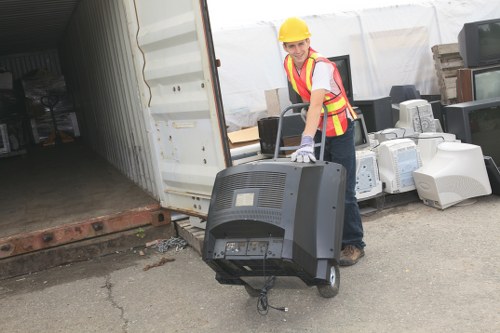
When a customer asks for fridge disposal, the first practical question is often access. A fridge may need to pass through narrow hallways, turn corners, move down stairs or leave through a shared entrance. The clearer the route, the easier the collection is to carry out. We use the information provided to understand the item, the building layout and any sensible limitations before the visit is arranged. That helps avoid delay and keeps the removal focused on the appliance itself.
It is also helpful to know whether the fridge is freestanding, integrated, stacked with other appliances, or still in a confined position. If the appliance is in a flat, basement, loft or commercial storage room, access details matter more than the brand or age of the unit. Where more than one item is leaving, a short list of what is included can make the quotation process clearer and may help us suggest the most suitable service route.
Useful details to have ready include:
- the number of appliances to be collected
- whether the fridge is downstairs, upstairs or in a confined space
- if any other waste or bulky items are going as well
- the easiest point of access for loading
- whether the item is already disconnected and safe to move
Fridge disposal for homes, landlords and workplaces
Different customers need different levels of support, even when the item is the same. A homeowner may want a single old fridge taken away after buying a replacement. A landlord may need an appliance removed between tenancies. A workplace may be replacing kitchen equipment as part of an upgrade. Our collection service can be tailored to the setting, provided the item and access details are clear.
For domestic customers, the service is often part of a small clear-out rather than a full property clearance. For landlords and managing agents, the main concern is usually timing, cleanliness and keeping communal areas clear during removal. For commercial premises, the focus may be on removing bulkier back-of-house equipment without disrupting normal operations. In any of these settings, it can be helpful to compare with home clearance, office clearance or rubbish clearance if there are other items in the same job.
We keep the service centred on the appliance itself rather than adding unnecessary steps. If the fridge is part of a larger clear-out, grouping items together can save time and make the collection more efficient. If it is the only item, the process can stay simple. Either way, the key point is to arrange a safe removal that matches the property and the load.
Handling bulky appliances carefully

Fridges are bulky, awkward to tilt and often heavier than they first appear. Doors, shelving and internal drawers can make them difficult to grip cleanly, while the shell can be prone to dents if it is moved carelessly. Careful handling matters not only for the appliance but also for the walls, floors and door frames around it. A sensible collection plan reduces the chance of unnecessary damage during the move.
Where a property has stairs, narrow turns or shared corridors, the method of removal becomes especially important. Some appliances can be moved more easily once the internal contents are cleared and the route is checked in advance. If there are other bulky items in the same location, such as a freezer, washing machine or sofa, it may be more efficient to discuss the whole load together rather than handling each item separately. Relevant services may include mattress disposal, sofa removal or builders waste clearance, depending on what needs to leave the site.
Good preparation usually means the collection can be carried out with fewer surprises. That does not require a long checklist; it simply means knowing where the fridge is, how it will be reached and whether anything else is in the way. Clear access and clear instructions are often enough to make the job straightforward.
Recycling and disposal routes
Fridge disposal should not be treated as ordinary rubbish removal. Refrigeration appliances are made up of different materials, and some parts need to be separated or handled through the correct waste route. Where possible, items are directed towards recycling or suitable treatment rather than being treated as mixed waste. That is part of why using a service designed for appliances is more practical than leaving the job to chance.
Customers often want to know what happens after collection, and the honest answer is that the route depends on the item’s condition and the available processing options. Some appliances may be suitable for recovery of recyclable materials, while others may need disposal through a waste stream intended for bulky white goods. If sustainability is a priority for your broader clearance, you may also want to look at recycling and sustainability and waste disposal alongside the collection itself.
The important point is that the process should be matched to the item, not the other way around. A fridge that is complete, damaged, or no longer working still needs to be handled in a way that avoids simply adding it to general rubbish. That is why appliance-specific disposal is the right starting point for most customers.
What affects the quotation
Quotation details for fridge disposal are usually based on practical factors rather than a fixed assumption. The size of the appliance, how many items are involved, where they are located and how easy they are to move all affect the work involved. A single fridge on the ground floor is a simpler job than several appliances from an upper floor or a difficult access point. Being clear about those details helps produce a more accurate quote.
If you are comparing options, it is useful to think about what else may be collected at the same time. A fridge removed on its own is one kind of job; a fridge bundled with a freezer, cabinets or general household waste is another. For that reason, customers sometimes use pricing and quotes to understand the process better, then combine the collection with a page such as bulk waste collection or bulky waste collection if the load is broader than a single appliance.
When asking for a quotation, one short description is usually enough if it covers the essentials. Mention the appliance type, the location in the property and whether other items are included. If anything is unusually awkward, such as a narrow staircase or shared access, say so early. That kind of detail helps keep the conversation focused and avoids unnecessary back-and-forth.
About London
London is a large and varied capital city shaped by centuries of growth along the River Thames and across the surrounding historic counties. Its core is marked by long-established districts, civic institutions and a dense street pattern that reflects Roman origins, medieval change and later expansion. Areas such as the City, Westminster and the Strand sit close to major ceremonial, governmental and commercial landmarks, while outer districts developed through rail, tram and Underground links in the nineteenth and twentieth centuries. The result is a city made up of many distinct places rather than a single uniform centre. The Thames remains one of its most important physical features, with bridges, embankments, wharves and riverside walks connecting both banks. London’s architecture ranges from the Tower of London and St Paul’s Cathedral to Georgian terraces, Victorian civic buildings, post-war estates and contemporary towers, creating a skyline that reflects repeated rebuilding after fire, war and redevelopment. Large parks such as Hyde Park, Regent’s Park, Hampstead Heath and Richmond Park give the city major open spaces, while smaller squares, commons and canal paths add local character. Museums, theatres, markets and music venues contribute to a cultural life that changes from neighbourhood to neighbourhood, and many districts are known for their own blend of heritage, housing and everyday commerce. Borough boundaries, town centres and conservation areas give the city a layered identity, and many of its best-known names—Camden, Greenwich, Islington, Kensington, Southwark and Westminster among them—carry histories that predate modern administrative maps. London’s scale means that movement, trade and neighbourhood life remain closely linked, yet each district still keeps a recognisable sense of place.
Other clearances that can be planned alongside a fridge removal

Some customers book fridge disposal as part of a broader clearance. That might mean taking away a broken freezer, replacing old kitchen items or clearing an entire room before refurbishment. In those cases, it is usually better to group the work together so the collection matches the actual load. We can help with related bulky items where the requirement is still straightforward and the details are clear.
Useful related options include furniture collection, house clearance and flat clearance. These pages are relevant when the fridge is only one part of a larger set of belongings. If you are dealing with a garage or loft, services such as garage clearance and loft clearance may be the more appropriate starting point, especially where the appliance is being stored away from the main living space.
For customers who need a smaller, single-item arrangement, keeping the request focused on the appliance can be the simplest route. For wider loads, the aim is still the same: choose the service that fits the waste rather than forcing everything into one category. That makes the quotation clearer and the removal easier to plan.
When a quote request is the best next step
If the fridge is ready for removal and you already know what else is included, a quote request is usually the best next step. That is especially true if you want the collection to happen as part of a move-out, a kitchen change or a business clean-up. A concise request with the item type, access details and location usually provides enough information for a practical response.
It can also help to decide whether your need is simply appliance removal or something broader such as general waste clear-up. When you are unsure, a page like waste removal or waste collection may sit alongside the appliance service. If the work is mostly about one or two white goods, however, staying with the appliance-focused service is normally the clearest option.
Use the request to set out the basics, then ask for the quotation that matches the job you actually need. Tell us what is being collected, where it is, and whether access is simple or awkward. If the appliance is mixed with other items, include that too. A clear request helps us understand the work and prepare the most relevant quote.
Booking a fridge disposal quotation
To request a quotation for fridge disposal in London, gather the main details of the appliance and the property, then send them in one go. There is no need for a long explanation; a short, accurate description is usually enough. If you have more than one item, list them together so the quote can reflect the full collection rather than only part of it. That is the simplest way to keep the arrangement tidy and useful.
We can then look at the most suitable collection option and discuss any related pages if your job includes more than a fridge. You may wish to consider contact us if you are ready to make the request, or compare with about us if you want a broader sense of the company information available on the site. If the job involves several household or commercial items, it can also be sensible to check waste clearance for a wider removal approach.
For a straightforward enquiry, simply ask for a quote and include the appliance type, access and any extra items. We are ready to help you arrange fridge disposal that suits the property and the load. If you are prepared to move ahead, send the details and request your quotation today.