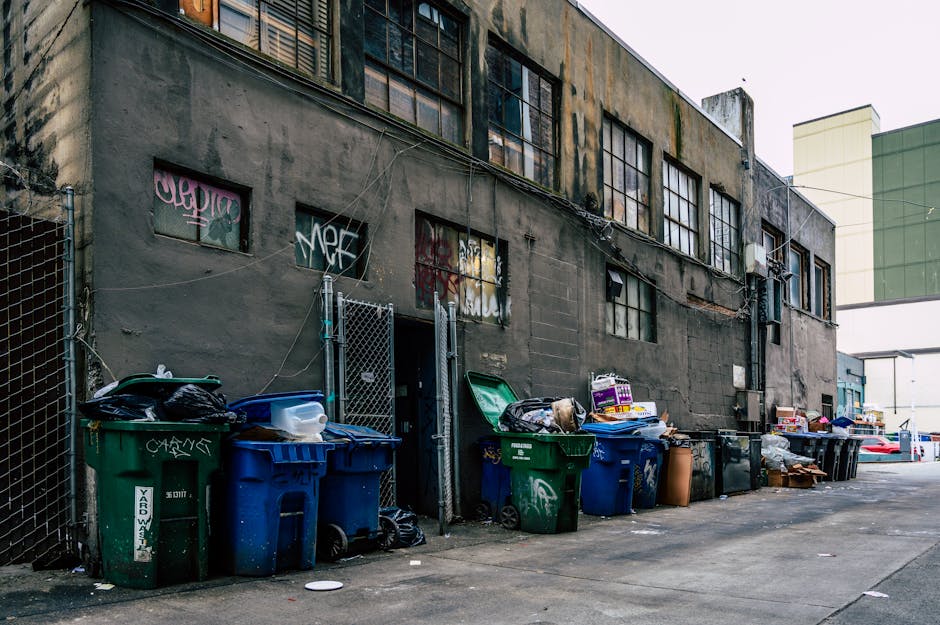
Audit your commercial waste: professional steps to cut waste bills

If your waste bill feels a bit higher every quarter and you cannot quite work out why, you are not alone. Many businesses keep paying for the same bins, collections, and service levels long after the original setup stopped making sense. The good news? A proper commercial waste audit can uncover quiet inefficiencies, missed recycling opportunities, and avoidable overcharges without disrupting day-to-day operations.
In this guide, we'll walk through how to audit your commercial waste: professional steps to cut waste bills, what to look for, where savings usually hide, and how to make changes that actually stick. No fluff. Just the sort of practical approach that helps you spend less while keeping things clean, compliant, and manageable. Let's face it, nobody gets excited about waste management. But savings are savings.
Why Audit your commercial waste: professional steps to cut waste bills Matters
Commercial waste costs often creep up for simple reasons: too many bins, the wrong collection frequency, contamination in recycling bins, low usage of certain containers, or contract terms that quietly renew without review. Over time, a business can end up paying for capacity it never uses. That's waste on waste. A little absurd, really.
An audit gives you a clear picture of what you're producing, what is being collected, what it is costing, and where money is leaking. It turns waste management from a monthly nuisance into something you can actually control. And in a city like London, where space is tight and service levels vary by site type, that clarity matters even more.
There is also a broader operational benefit. A cleaner, leaner waste system can improve yard space, reduce bin overflow, lower odour and vermin risk, and make back-of-house areas easier for staff to work in. If your team has ever had to shuffle around overfilled sacks before opening time on a wet Tuesday morning, you'll know exactly what that means.
Expert summary: A good waste audit is not just about reducing collections. It is about matching your actual waste output to the right containers, frequencies, and disposal routes so you stop paying for inefficiency.
How Audit your commercial waste: professional steps to cut waste bills Works
A commercial waste audit is a structured review of how your business stores, sorts, and removes waste. It usually starts with your current contract, then moves into a practical review of waste streams, bin usage, contamination levels, and collection patterns. The aim is to compare what you think you need with what you genuinely use.
In plain English, you are checking four things:
- what waste is being generated
- how much of it there is
- how well it is being separated
- what you are being charged for
From there, the audit identifies savings. Sometimes the fix is simple: reduce collection frequency, swap bin sizes, or improve staff segregation. Sometimes it is more involved, such as rethinking the waste setup for a multi-tenant building, a hospitality site, or an office with irregular occupancy. Different sites behave differently, and the waste does not lie. It just sits there in the wrong bin.
A professional audit also looks at operational reality rather than theory. A bin that looks efficient on paper may be impossible to use in a cramped loading bay. A recycling stream that should work well may be failing because staff do not have enough space or signage. You need to see the whole picture, not just the invoice.
Key Benefits and Practical Advantages
The most obvious benefit is lower cost, but that is only the start. Businesses that audit their waste properly often find a few smaller wins that add up fast. A tidy waste system saves time, reduces friction with staff, and makes it easier to manage compliance. It can also improve service reliability because you are no longer running a system that is permanently stretched.
- Lower bills: You can remove unnecessary collections, reduce over-sized containers, and fix billing mismatches.
- Better recycling performance: Clearer sorting usually means less contamination and lower disposal costs.
- Improved site hygiene: Fewer overflows, fewer smells, and less pest risk around waste storage areas.
- More efficient operations: Staff spend less time wrestling with bins and more time on actual work.
- Stronger compliance: Good records and clear waste separation make it easier to meet duty-of-care expectations.
There is also a reputational advantage. Clients, landlords, and staff notice when a site is orderly. That may sound small, but it matters. A messy waste area tends to tell a story about everything else nobody has got around to sorting yet.
Who This Is For and When It Makes Sense
A waste audit makes sense for almost any business that generates regular commercial waste, but it becomes especially valuable when costs are rising faster than activity. If your invoice has climbed but your turnover has not, that is a big clue. If you have taken on new premises, changed opening hours, added staff, or merged waste streams, you should review the setup too.
This is particularly relevant for:
- offices with fluctuating occupancy or hybrid working
- restaurants, cafes, pubs, and catering sites
- retail units with cardboard-heavy packaging waste
- warehouses and light industrial premises
- landlords and managing agents responsible for shared bins
- schools, clinics, and hospitality businesses with multiple waste streams
It also makes sense if you suspect contamination, missed recycling, or service issues. A bin that is being rejected because someone has put the wrong material in it can become surprisingly expensive. One contaminated container can affect the cost of the whole system. Not every time, but enough to matter.
If you are planning a wider clearance, it can help to look at related services such as office clearance or business waste removal alongside the audit, especially where stored waste, old furniture, or bulky items are part of the problem.
Step-by-Step Guidance
1. Gather your current waste information
Start with the basics: invoices, contracts, collection schedules, container counts, bin sizes, and any notes about service problems. If you do not have everything in one place, that is fine. Most businesses do not. Pull together what you can and build the picture from there.
Check for the following:
- number and type of bins on site
- collection frequency for each stream
- service charges, contamination fees, and ad hoc charges
- contract end dates and notice periods
- who in the business is responsible for waste decisions
2. Measure actual waste output
Do a short waste sampling period. For a busy site, even one week can be revealing. Look at how full bins are on collection day, what is going into each container, and whether anything is regularly overflowing or underused. If a recycling bin is only half full on most collections, you may not need it as often. If a general waste bin is always packed by midday, you may be under-serving that stream.
This is where a simple log helps. A few notes each day can reveal patterns you would otherwise miss. On paper, it sounds dull. In practice, it is one of the fastest ways to find savings.
3. Separate your waste streams properly
Commercial waste is not all one thing. Most businesses have a mix of general waste, dry mixed recycling, cardboard, food waste, glass, WEEE, confidential waste, or bulky items. The more accurately you separate them, the more control you have over cost.
For example, cardboard compacted correctly can take up far less space than loose packaging. Food waste that is kept out of general rubbish may reduce contamination and improve disposal efficiency. And in some settings, getting one bulky stream under control can immediately ease pressure on the rest of the system.
4. Review bin sizes and collection frequency
This is often where the savings live. A lot of businesses are still paying for old assumptions about how much waste they produce. A site that has gone partly remote may need fewer collections. A business with seasonal peaks may need a flexible approach rather than a fixed weekly plan all year round.
Ask a simple question: are you paying for empty air? If so, that is a red flag.
5. Check for contamination and avoidable waste
Contamination can ruin otherwise good recycling efforts. A few wrong items in the wrong bin can turn a low-cost stream into a more expensive one. Common culprits include food residues, plastic film, mixed packaging, and general rubbish hidden in recycling containers.
Also look at avoidable waste. Over-ordering packaging, discarding usable office items, and throwing away reusable materials all create cost before collection even happens. In a fair number of audits, the biggest savings come not from collection changes, but from stopping the waste earlier.
6. Compare the contract against actual usage
Do not assume the current contract is the right one just because it has been in place for years. Check whether pricing is based on bins, lifts, volume, weight, frequency, or a hybrid model. Then compare that to what the site actually uses. If something feels opaque, ask for a clearer breakdown. You are entitled to understand what you are paying for.
7. Put changes in place and review again
Once you make a change, keep an eye on it. Reduce one collection and see whether the site stays tidy and compliant. Change signage and check contamination rates. Adjust container sizes and notice what happens in practice, not just in theory. A waste audit should be a cycle, not a one-off event.
Expert Tips for Better Results
In our experience, the best savings come from combining cost review with behaviour change. If staff keep putting recycling in general waste, the numbers drift back up. If the bins are badly positioned, the system fails quietly. If the waste setup is too complicated, people ignore it and do the quickest thing. Humans. We do love the path of least resistance.
- Keep instructions simple: Use plain labels and a few clear examples rather than long explanations.
- Place bins where waste is created: If people must carry waste too far, segregation drops off quickly.
- Standardise where possible: Similar bin formats across sites make training easier.
- Track exceptions: Note when a one-off event, delivery surge, or seasonal spike changes the pattern.
- Review after operational changes: New staff, new menus, new products, or hybrid working can all shift your waste profile.
One useful habit is to walk the site at collection time. Not every day. Just enough to see what is actually happening. You will notice things that an invoice never shows, like a loading area full of flattened boxes that could have been recycled separately, or a general bin used as the "everything else" bucket because nobody was sure where else it should go.
If your business also handles discarded items beyond standard refuse, related pages such as waste collection and waste disposal may be useful when you are mapping the broader service setup.
Common Mistakes to Avoid
One of the biggest mistakes is focusing only on price per collection. A cheaper-looking collection can still cost more if it comes too often, if it includes hidden extras, or if the container type does not suit the site. Another common error is assuming recycling bins automatically save money. They do, when they are used properly. Not when they are filled with the wrong material and rejected.
- Ignoring underused bins: Half-empty containers can quietly waste budget for months.
- Overlooking contamination: One mistake by staff can affect the whole waste stream.
- Forgetting contract terms: Notice periods and automatic renewals can trap you.
- Not checking site layout: A good waste plan on paper can fail in a cramped or awkward space.
- Skipping staff buy-in: If people do not understand the setup, the savings disappear.
A subtler mistake is changing too many things at once. It is tempting, especially when bills are annoying you, to overhaul everything in one go. But then you cannot tell which change worked. Small, measured adjustments are often better. Boring, yes. Effective, also yes.
Tools, Resources and Recommendations
You do not need fancy software to begin. A spreadsheet, a set of bins recorded by location, and a few weeks of observations are often enough to identify the first round of savings. For more complex sites, photo logs and simple waste mapping can help you see where waste is created and where it ends up.
Useful tools and approaches include:
- Bin audit sheet: Track container type, location, service frequency, and average fill level.
- Waste map: Show where waste is produced on-site and where it is stored before collection.
- Collection log: Note every missed lift, overflow, contamination issue, or special pickup.
- Staff feedback: Ask the people who use the bins every day what slows them down.
If you need broader support for related waste and clearance needs, it can also help to review waste clearance and recycling and sustainability so the audit sits inside a wider improvement plan, not just a price negotiation.
For larger office environments, a link between waste auditing and workspace declutter can be especially useful. Old furniture, storage items, packaging, and obsolete equipment often distort the waste picture. Clearing those items first can give you a cleaner baseline.
Law, Compliance, Standards, or Best Practice
Commercial waste in the UK is not just a cost issue. There are also duty-of-care and handling responsibilities to consider. The exact obligations depend on the type of waste and the circumstances, but the general principle is straightforward: waste should be stored, separated, moved, and documented responsibly. When in doubt, treat compliance as part of the audit, not an afterthought.
Best practice usually includes:
- keeping waste streams separate where required or practical
- using a licensed or appropriate waste carrier for collection and removal
- maintaining records for waste collections and transfers where needed
- avoiding contamination that can compromise recycling or recovery routes
- storing waste safely so it does not create fire, hygiene, or access issues
If your site contains hazardous, electrical, confidential, or specialist waste, extra care is needed. Do not assume a standard general waste service is suitable. The wrong approach can create both cost and compliance problems. That is the kind of headache nobody wants on a Monday morning.
A strong audit should therefore ask not only "what can we save?" but also "what do we need to keep safe and compliant?" The two go together. Conveniently, they usually support each other.
Options, Methods, or Comparison Table
There is more than one way to audit waste. The right choice depends on the size of your site, the complexity of your waste streams, and how much time you can put into the process.
| Method | Best for | Pros | Limitations |
|---|---|---|---|
| Basic invoice review | Small sites with simple waste patterns | Fast, easy, reveals obvious overcharging or unused capacity | Does not show contamination or operational issues |
| On-site waste walk-through | Most businesses | Shows real behaviour, bin placement, and collection pain points | Needs staff time and a little observation |
| Waste sampling | Sites with mixed or uncertain waste output | Helps quantify volumes and identify stream errors | Requires a short monitoring period |
| Full operational audit | Large, multi-site, or high-volume businesses | Most detailed; can uncover contract, process, and compliance issues | More time-consuming and best done systematically |
For many businesses, the best answer is a blend of methods. Start with the invoice, then check the site, then verify the pattern over time. It is less glamorous than a quick fix, but much more reliable.
Case Study or Real-World Example
Imagine a mid-sized office near central London with around 80 staff, but not all of them in every day. The waste contract was set during a fully occupied period and had never been reviewed. On paper, it looked normal. In practice, the office was paying for too much mixed waste capacity and collecting it too often.
After a short audit, a few things stood out. Recycling bins were half empty on most collection days. General waste was being overfilled late in the week. Some cardboard was going into general waste because storage space near the loading area was awkward. The staff kitchen also had poor signage, which meant food packaging and dry recycling were being mixed without much thought.
The changes were fairly simple:
- reduce the frequency of one underused stream
- reposition bins closer to the points where waste was created
- improve signage in the kitchen and print room
- separate cardboard more clearly from general waste
- review the contract so it matched hybrid occupancy
The result was not dramatic in a flashy way. No fireworks. But the waste setup became easier to manage, the site looked tidier, and the business stopped paying for capacity it no longer needed. That is the sort of quiet win that actually matters. You feel it in the budget and in the day-to-day rhythm of the place.
Practical Checklist
Use this checklist when you are ready to audit your commercial waste properly:
- collect current invoices and contract documents
- list every waste stream and container on site
- record collection frequency and fill levels
- check for contamination in recycling and food waste bins
- identify underused or overflowing containers
- review seasonal, occupancy, or trading-pattern changes
- confirm who is responsible for waste decisions
- check notice periods and renewal terms
- look for bulky or one-off waste that distorts the system
- make one or two controlled changes, then review the results
- keep a simple log of savings, issues, and follow-up actions
If you can tick most of those off, you are already ahead of many businesses. Honestly, quite a lot ahead.
For businesses that also need help with clearing larger volumes or awkward items, options like bulk waste collection and rubbish removal can sit alongside the audit where appropriate.
Conclusion
Auditing your commercial waste is one of those jobs that rarely feels urgent until the bills start biting. But once you look closely, the savings opportunities tend to be obvious: too much capacity, too much contamination, weak contract terms, or a waste layout that no longer fits how the business actually runs. A careful review gives you the facts, and facts are what you need if you want to cut waste bills without creating new problems.
The best approach is practical, steady, and honest. Measure what is really happening, make a few targeted changes, and check the results. If you do that well, the business ends up with lower costs, cleaner operations, and a waste system that feels less like a recurring problem and more like part of the job that just works.
Get a free quote today and see how much you can save.
And if you start small, that is fine. A tidy, better-run waste system is usually built one sensible decision at a time.
Frequently Asked Questions
What is a commercial waste audit?
A commercial waste audit is a review of how your business produces, separates, stores, and pays for waste. It helps identify where you are overspending, where recycling is being lost, and where service levels do not match actual use.
How can a waste audit reduce my bills?
It can cut costs by highlighting underused bins, overly frequent collections, poor segregation, and contract terms that no longer fit your needs. In some cases, the biggest saving comes from reducing contamination and improving recycling rates.
How often should a business audit its waste?
Most businesses should review waste at least once a year, and sooner if they change occupancy, trading hours, menus, layouts, or suppliers. A new contract is also a sensible time to check everything.
What information do I need before starting?
You should gather invoices, collection schedules, bin counts, service terms, and any notes about recurring issues. A few days of on-site observation will also help show what is really happening rather than what the paperwork suggests.
Can small businesses benefit from a waste audit?
Yes. Small businesses often find straightforward savings because they have fewer waste streams and simpler operations. A few well-chosen changes can make a noticeable difference to monthly costs.
What are the most common waste bill mistakes?
The most common mistakes are paying for too many collections, using the wrong container size, ignoring contamination, and letting contracts roll on without a proper review. Those little oversights add up fast.
Does recycling always save money?
Not automatically. Recycling can save money when it is set up properly and kept free from contamination. If it is mixed with the wrong materials or handled inefficiently, the benefits can shrink.
How do I know if my bins are the wrong size?
If bins are consistently half empty on collection day, they may be too large or collected too often. If they are regularly overflowing, they may be too small or not collected frequently enough. The pattern matters more than guesswork.
Is a waste audit useful for offices with hybrid working?
Very much so. Hybrid working changes waste output in a way that is easy to miss. An office may still be paying for pre-pandemic collection levels even though the building is used less often.
What should I do if my waste contract is hard to understand?
Ask for a clear breakdown of charges, frequency, container types, and any extras such as contamination fees or ad hoc lifts. If the numbers are not clear, it is hard to know whether the contract is good value.
Do I need a full audit or just a quick review?
If your site is small and simple, a quick review may be enough to find easy wins. For larger sites, multi-tenant buildings, or businesses with several waste streams, a fuller audit usually gives better results.
What is the biggest mistake businesses make after an audit?
Changing too much at once and then not checking the outcome. A good audit leads to controlled improvements, not one big leap of faith. Review, adjust, and review again.