Securely remove hazardous liquids from households: safe steps
Spilled paint thinner in the garage, an old bottle of bleach under the sink, half-used weed killer in the shed, a mystery liquid in a cleaning spray bottle: most homes have at least one container that should not be tipped into the drain or binned with ordinary rubbish. If you want to securely remove hazardous liquids from households, the safest approach is usually simple, careful, and boring in the best possible way. It means identifying the liquid, keeping people and pets away, containing it properly, and using the right disposal route rather than improvising.
This guide explains the safe steps in plain English, from quick checks to the final hand-off. It also covers the common mistakes that turn a small household task into a messy incident, plus the best practical options if you need help with larger quantities or mixed waste. If you are clearing more than a single bottle, you may also find the advice on waste removal, rubbish clearance, and home clearance useful when planning the wider job.
Table of Contents
- Why Securely remove hazardous liquids from households: safe steps Matters
- How Securely remove hazardous liquids from households: safe steps Works
- Key Benefits and Practical Advantages
- Who This Is For and When It Makes Sense
- Step-by-Step Guidance
- Expert Tips for Better Results
- Common Mistakes to Avoid
- Tools, Resources and Recommendations
- Law, Compliance, Standards, or Best Practice
- Options, Methods, or Comparison Table
- Case Study or Real-World Example
- Practical Checklist
- Conclusion
- Frequently Asked Questions
Why Securely remove hazardous liquids from households: safe steps Matters
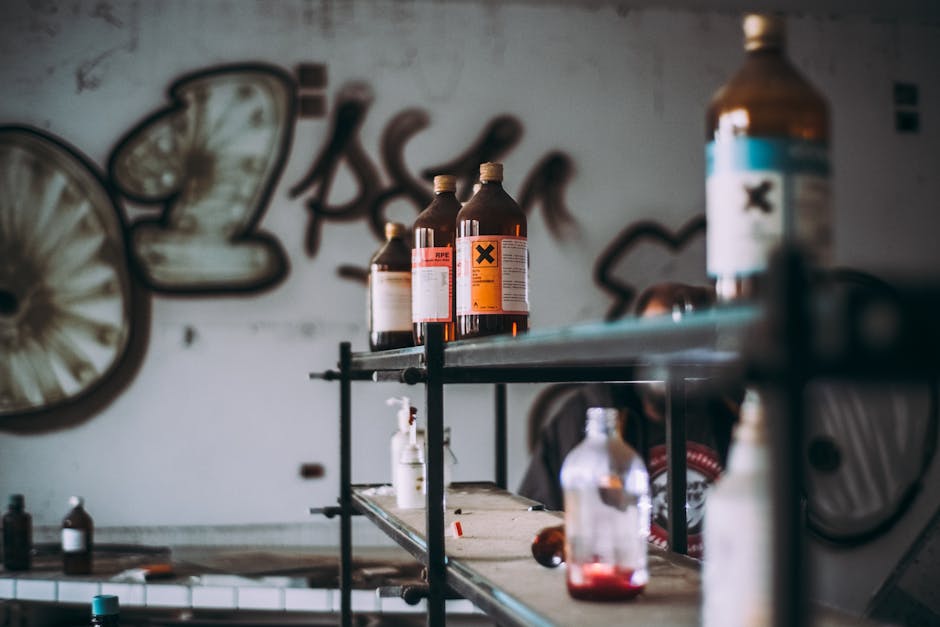
Hazardous liquids are not all equally dangerous, but they do share one thing: they can cause harm if they are treated like ordinary waste. Some are flammable. Some are corrosive. Some give off irritating fumes. Others can contaminate drains, soil, or other waste streams if they are mixed together. Even something that looks harmless, such as a household cleaner, can react badly with another product already in the cupboard. A common example is mixing bleach with acidic cleaners or ammonia-based products. That is not a "maybe" problem; it can produce dangerous gases.
There is also a practical side. A leaking bottle in a bag of rubbish can ruin nearby items, create odours, and make waste handling much more difficult. In a flat, a shared hallway or bin store can quickly become the place everyone notices. And no one wants that kind of attention from the neighbours.
For homes, the priority is simple: reduce exposure, reduce reaction risk, and choose the right disposal route. That is why secure handling matters before the liquid even leaves your property.
Expert summary: The safest household approach is to identify the liquid, keep it sealed, never mix it with other products, and use a disposal route suitable for the material and quantity. If there is any doubt, treat it as hazardous until confirmed otherwise.
How Securely remove hazardous liquids from households: safe steps Works
At a basic level, safe removal is a chain of small decisions. First you identify the liquid. Then you assess the risk. Then you package it for transport or collection. Finally, you hand it over to the correct disposal route. Each step matters because a failure early on can cause a problem later.
Think of it like sorting waste before a move. If you are already doing a house clearance or emptying a garage clearance, liquids should be separated from bulky items, soft furnishings, and regular rubbish. A bottle hidden inside a box of books may stay unnoticed until it leaks. That is the kind of oversight that turns an easy job into a cleanup job.
Good practice follows a predictable pattern:
- Identify the product from the label, container shape, smell only if absolutely necessary, and original storage location.
- Check for obvious hazards such as corrosion, fumes, pressure, or leakage.
- Isolate the liquid away from heat, sparks, children, pets, food, and other chemicals.
- Place it in a secure secondary container if the original packaging is damaged.
- Dispose of it through the correct local or professional route.
That sequence sounds straightforward because, most of the time, it is. The trick is not to rush the middle steps.
Key Benefits and Practical Advantages
Secure removal is not only about avoiding the worst-case scenario. It also makes the whole household cleanup smoother and less stressful.
- Reduced fire and reaction risk: Flammable liquids, oxidisers, and reactive cleaners are less likely to cause problems when stored and transported correctly.
- Better protection for people and pets: Proper containment helps prevent accidental contact, inhalation, or ingestion.
- Less mess during clearance: Bottles stay upright, sealed, and separated from other waste.
- Improved disposal compliance: The waste ends up in the right stream rather than mixed with general rubbish.
- Cleaner storage spaces: Kitchens, sheds, and utility cupboards become easier to organise once old liquids are removed.
- Less panic later: A calm, planned approach is much easier than dealing with a leaking bottle at the last minute.
Another quiet benefit is time. Once you have a safe method, future clear-outs are simpler. You will know what to keep, what to quarantine, and what should go straight for specialist disposal.
Who This Is For and When It Makes Sense
This process is relevant to almost anyone with a home, but it becomes especially useful in a few common situations.
Typical household scenarios
- You are cleaning out under-sink cupboards and find old cleaning products.
- You are clearing a shed or garage and come across paint, solvents, or garden chemicals.
- You are moving house and do not want to take unknown liquids with you.
- You are dealing with rental property turnover and need the space left safe for the next occupant.
- You are emptying a flat after a long period of storage and discover mixed household chemicals.
When a more careful approach is sensible
- The product is unlabelled or partially labelled.
- The container is cracked, rusted, bulging, or leaking.
- There are multiple liquids stored together in a cluttered space.
- The liquid may be from a hobby, car maintenance, or DIY task rather than domestic cleaning.
- You can smell strong fumes, but you cannot clearly identify the product.
If you are dealing with a broader property clear-out, it can make sense to combine hazardous-liquid sorting with a wider service such as waste clearance or flat clearance. That way the dangerous items are handled separately while the rest of the job moves forward efficiently.
Step-by-Step Guidance
Here is a practical method you can follow at home. It is designed for ordinary domestic situations, not specialist industrial waste. If you suspect an unknown chemical reaction or a serious spill, stop and seek proper emergency advice rather than trying to be heroic.
1. Stop and assess the area
Do not reach into a cluttered cupboard blindly. Open windows if there is a strong smell, keep children and pets away, and avoid switches or open flames if the liquid might be flammable. If the bottle is actively leaking, move slowly and do not drag it across surfaces.
2. Identify the liquid
Read the label carefully. Look for warnings such as flammable, corrosive, toxic, oxidising, or harmful. If the label is missing, check the original storage place. A bottle in the garden shed is more likely to be weed killer, pesticide, or fuel additive than bathroom cleaner. If the liquid remains unknown, treat it as hazardous and do not mix it with anything else.
3. Isolate and contain it
Place the container upright in a sturdy, sealable secondary container such as a plastic tub or tray. Keep different liquids separate. A solvent in one box and bleach in another is much safer than both sitting together in a single bag. If a bottle is damaged, do not over-handle it; containment is the goal, not a perfect rescue.
4. Never decant unless you genuinely need to
Transferring liquids into another container can create more risk if you are not certain about compatibility and labelling. If the original container is intact and the label is readable, leave it alone. If it must be moved, the replacement container must be clean, suitable, and clearly labelled. No coffee jars, no mystery jugs, and definitely no old drink bottles.
5. Check local disposal options
For small quantities, your local council may have a household hazardous-waste route or special collection guidance. For larger amounts, contaminated containers, or mixed waste from a clearance project, you may need a professional waste contractor. If you are comparing options, the service page for bulk waste collection can be helpful for understanding how larger household quantities are typically handled.
6. Arrange transport safely
Keep containers upright in a box or crate, and do not place them beside food, clothing, or soft items. A boot liner or tray helps if there is any risk of seepage. If you are taking waste to a disposal point yourself, go straight there rather than making several stops. The fewer interruptions, the lower the chance of tipping, heat exposure, or accidental transfer.
7. Hand over with clear information
If using a collection or disposal service, tell them what the liquid is, how much you have, and whether any containers are damaged. That honesty is not over-sharing; it helps them plan the correct handling. If you need a quote for a bigger job, you can also review pricing and quotes before booking.
8. Clean the storage area cautiously
After removal, wipe the shelf or floor only if it is safe to do so and if you are certain the surface is not contaminated with a reactive chemical. Use separate cloths or disposable paper for the cleanup. Then wash hands thoroughly. If there was a spill, ventilate the area until the smell clears.
Expert Tips for Better Results
The best hazardous-liquid removals are the ones that feel almost uneventful. A few small habits make a big difference.
- Group by type before you move anything: Cleaning products, garden chemicals, DIY liquids, and automotive fluids should stay separate until you know their route.
- Keep the original label whenever possible: It helps identify hazards and disposal requirements.
- Watch for temperature-sensitive products: Some liquids become more volatile in warm cars, sheds, or lofts.
- Use shallow containers for unstable bottles: A low tray is often better than a high-sided box because you can see leaks sooner.
- Do not assume "empty" means harmless: Residue in a can, tin, or spray bottle can still create vapour or leak.
- Separate liquids from absorbent waste: Old rags, cardboard, and paper can absorb chemicals and spread the problem.
One overlooked detail is ventilation during sorting. Even mild products can create unpleasant fumes in a closed cupboard. A bit of fresh air makes the job easier and reduces the temptation to rush.
If you are also clearing other items, coordinating liquids with rubbish removal or waste disposal can prevent accidental mixing at the kerbside or in the hallway.
Common Mistakes to Avoid
Most household incidents are not caused by exotic hazards. They happen because someone makes a very normal shortcut. Here are the biggest ones to avoid.
- Pouring liquids down sinks, toilets, or drains: This can damage plumbing, release fumes, or contaminate wastewater systems.
- Mixing different products together: Even small amounts can react dangerously.
- Putting unknown liquids in black bags: That is a recipe for leaks and contaminated waste.
- Removing labels before disposal: Labels help handlers deal with the product safely.
- Leaving bottles in hot spaces: Heat can increase pressure and vapour release.
- Using food containers for storage: This creates obvious confusion and real ingestion risk.
- Carrying several unstable bottles in one hand: If one slips, the rest can follow. Gravity is reliable, which is exactly the problem.
A subtler mistake is forgetting the surrounding items. A bottle may be safe on its own, but not safe next to bleach, paper towels soaked with solvent, or a bin bag already containing mixed waste. Look at the whole space, not just the bottle.
Tools, Resources and Recommendations
You do not need a warehouse of specialist gear for most domestic situations, but a few basic tools make safe handling easier.
Useful household tools
- Nitrile gloves for light contact protection
- Safety glasses if there is splash risk
- Sturdy plastic tray or tub for secondary containment
- Permanent marker for relabelling a damaged secondary container
- Paper towels or disposable cloths for minor cleanup
- Sealant tape or cable ties for securing lids or box flaps
Practical resources worth checking
- Your local council's waste pages for household chemical guidance
- Manufacturer information on the product label or packaging
- Professional waste removal services for larger or mixed loads
- Services that already deal with broader household clearance, such as house clearance and loft clearance, when hazardous liquids are part of a bigger cleanout
- Specialist routes for appliances and materials, including white goods recycle or fridge disposal, if the liquid issue is linked to a larger item
If the job expands beyond one cupboard or one shelf, it may be easier to plan the waste around a broader collection service rather than handling each item separately. The same is true if you are coordinating several rooms, a garage, or a rental property turnover.
Law, Compliance, Standards, or Best Practice
For ordinary householders, the key point is not to pretend you are a waste contractor. You are expected to store and dispose of hazardous liquids responsibly, and local authorities may provide guidance on acceptable household disposal routes. The exact route can vary depending on the product, quantity, and local arrangements, so it is wise to check the current instructions for your area rather than relying on old advice from a neighbour.
Where a professional service is used, good operators should be able to explain how they handle hazardous items, what can and cannot be collected, and how they manage safety during loading and transport. If a company publishes a health and safety policy or details around insurance and safety, that can help you judge how seriously they take risk management.
Best practice in this area is straightforward: keep hazardous liquids identified, contained, separated, and documented where possible. If there are any doubts about compatibility or safe transport, stop and ask for guidance before moving the item further.
It is also sensible to use a provider that is transparent about customer service and process. Pages such as about us, contact us, and terms and conditions can help you understand expectations before booking.
Options, Methods, or Comparison Table
The right route depends on quantity, certainty, and risk. Here is a simple comparison of common options.
| Method | Best for | Pros | Limitations |
|---|---|---|---|
| Local council guidance or special collection | Small domestic quantities of recognised household chemicals | Often cost-conscious and suitable for standard items | Availability and rules vary by area; not ideal for large mixed loads |
| Professional waste removal | Multiple liquids, damaged containers, or clearance projects | Convenient, safer for larger jobs, can handle broader waste streams | Usually requires a quote and clear item details |
| Do-it-yourself transport to an authorised site | Very small quantities you can keep sealed and identified | Flexible and immediate if you already know the route | Requires careful packing and a direct trip; not suitable for uncertain chemicals |
| Leave-it-in-place pending advice | Unknown, leaking, or potentially reactive liquids | Prevents bad decisions under pressure | Only a temporary measure; needs follow-up quickly |
For many households, the sensible middle ground is to isolate the liquid, check disposal options, and then decide whether a direct council route or a professional collection is simpler. If you are comparing wider household services, the pages for waste collection, bulky waste collection, and large item collection may help you plan the rest of the clearance around the hazardous items.
Case Study or Real-World Example
A typical real-world scenario goes like this: a homeowner starts clearing a utility cupboard before a move and finds three older products behind the detergent. One is a partially used solvent-based cleaner, one is garden weed killer, and one is a rust remover with a damaged lid. None of them is an immediate emergency, but none should go into normal rubbish.
The safe approach is to:
- Move everyone away from the cupboard and open a window.
- Check which bottles are intact and which are leaking.
- Place each one upright in its own secondary container.
- Keep them away from bleach, paper towels, and general household waste.
- Decide whether the quantity is small enough for a household disposal route or whether it should be collected as part of a wider clearance.
In a case like that, the key win is not speed. It is control. Once the liquids are separated, the rest of the house can be cleared without worrying that a bottle will leak into a box of keepsakes or stain the floor. That calm, methodical approach is what makes the difference.
Practical Checklist
Use this quick checklist before you move a hazardous liquid anywhere:
- Have I identified the liquid from the label or context?
- Is the container intact, upright, and sealed?
- Have I kept it away from heat, flames, food, children, and pets?
- Have I separated it from other chemicals?
- Do I know whether the local council accepts it or whether I need a specialist service?
- Do I need gloves, goggles, or a tray for safe handling?
- Have I avoided pouring, mixing, or decanting unnecessarily?
- Is the transport route direct and suitable for the container size?
- Do I have a clear plan for cleanup if there is a spill?
- Am I confident it is safe to proceed, or should I stop and ask for advice?
When in doubt, slow down. A few extra minutes are cheaper than a mistake you have to clean up twice.
Conclusion
Secure household liquid removal is mostly about discipline, not drama. Identify the product, keep it contained, never mix it with other chemicals, and choose the disposal route that matches the risk and quantity. That simple sequence protects your home, your health, and the people who will handle the waste next.
If you are only dealing with one bottle, the job may be quick. If you are clearing a cupboard, shed, loft, or full property, it is often smarter to build hazardous-liquid handling into a wider clearance plan from the start. That gives you control, saves time, and reduces the chance of a last-minute panic.
Get a free quote today and see how much you can save.
If you are planning a larger cleanout or need help with mixed household waste, start by reviewing the service options, then get in touch to discuss the safest route for your items.
Frequently Asked Questions
Can I pour household hazardous liquids down the sink?
Usually no. Pouring chemicals down a sink can create drain damage, fumes, or contamination issues. The safer choice is to keep the liquid sealed and follow the correct disposal route for that product.
What counts as a hazardous liquid in a home?
Common examples include bleach, solvents, paint thinners, pesticides, weed killers, automotive fluids, strong cleaners, and certain hobby chemicals. If a product has a warning label or a strong reactive smell, treat it cautiously.
What should I do if the bottle is leaking?
Keep it upright if possible, place it inside a secondary container, and isolate it away from heat and other products. If the leak is heavy or the liquid is unknown, do not try to transfer it unnecessarily. Seek proper advice.
Can I put hazardous liquids in a black bin bag?
No. Bin bags can tear, and liquid waste can leak or contaminate other waste. Hazardous liquids should stay in their original container whenever possible and be handled through the correct disposal route.
Is it safe to mix old cleaning products together before disposal?
No. Different cleaners can react unpredictably, especially bleach-based products, ammonia-based products, acids, and solvents. Keep each item separate until you know exactly how it should be handled.
What if the label has worn off?
Do not guess if the liquid could be harmful. Keep it isolated, note where it was found, and treat it as hazardous until you can identify it through context or professional advice.
Do councils collect hazardous liquids from homes?
Some do, but the service varies by area and by material. Check the current guidance for your local council rather than assuming all liquids are accepted the same way.
What is the safest way to transport hazardous liquids in a car?
Keep them upright in a sturdy secondary container, separate from food and passengers, and go directly to the disposal point. Avoid leaving them in a hot car or placing them loosely in the boot.
Can I ask a clearance company to take hazardous liquids with other waste?
Yes, but you should tell them in advance exactly what the liquids are and how much you have. Some companies can accommodate them as part of a broader waste job, while others cannot handle certain materials.
How do I know whether I need a professional waste service?
If the containers are damaged, the liquids are unknown, or you have several items as part of a larger clearance, a professional service is often the safer and simpler option. It is especially useful when you are also disposing of bulky household waste.
What should I do after a small spill?
Ventilate the area, keep people and pets away, and clean only if the spill is minor and you know the product is safe to handle. Use disposable materials and avoid mixing the spill with other cleaners. If there is any doubt, stop and ask for advice.
Are hazardous liquids covered by normal waste removal?
Not always. Standard waste removal is usually for ordinary household waste, while hazardous liquids may need a specific route. Always check what the provider accepts before booking.
For broader support or to talk through a mixed household clearance, you can use the contact details on the site and ask which disposal route best fits your situation.